Studio / Approach
Architecture
begins
before we draw.
We work with what already exists — space, material, memory, constraint — and search for the precise intervention capable of bringing it into order.
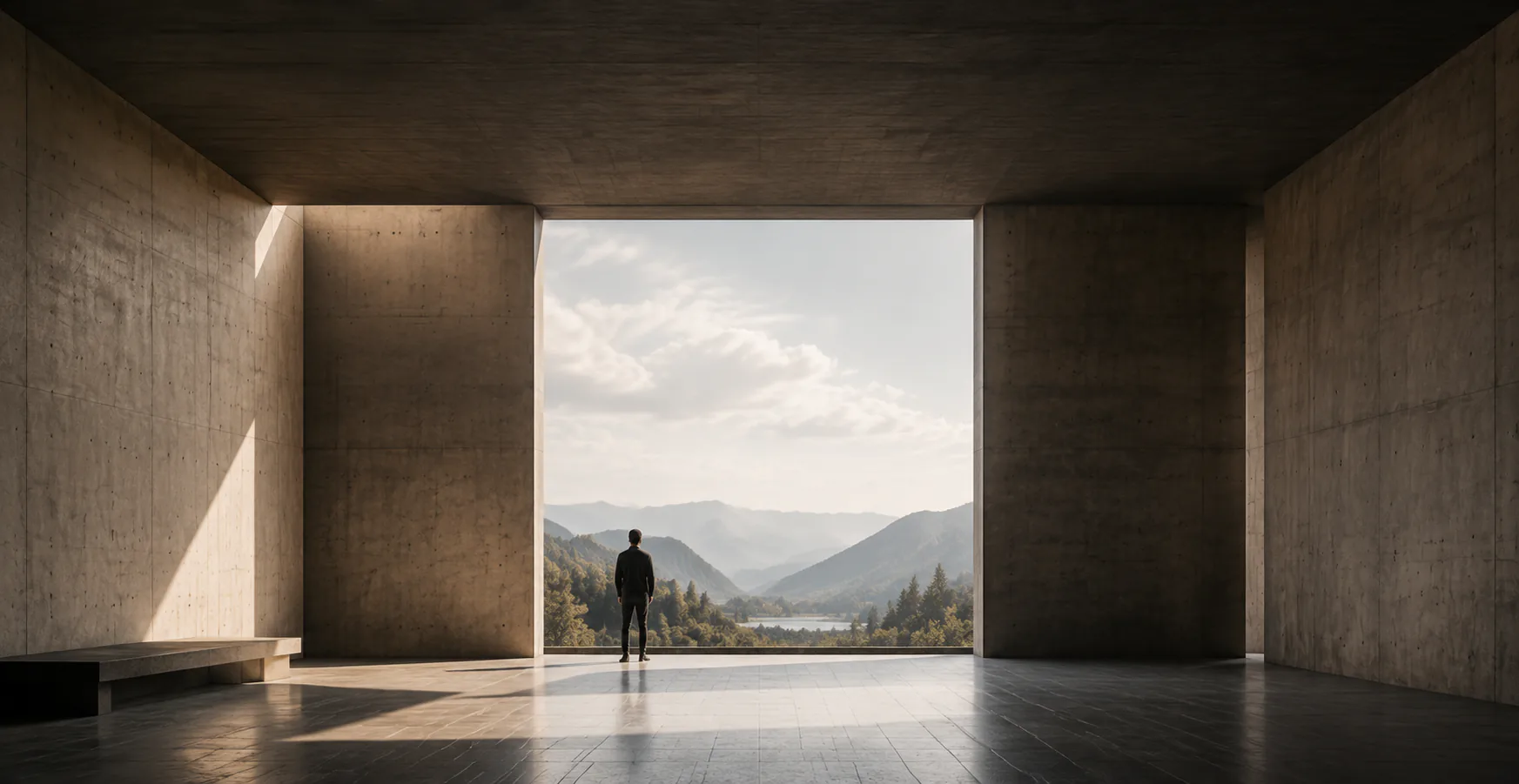
01 / Begin
Begin with
what is there.
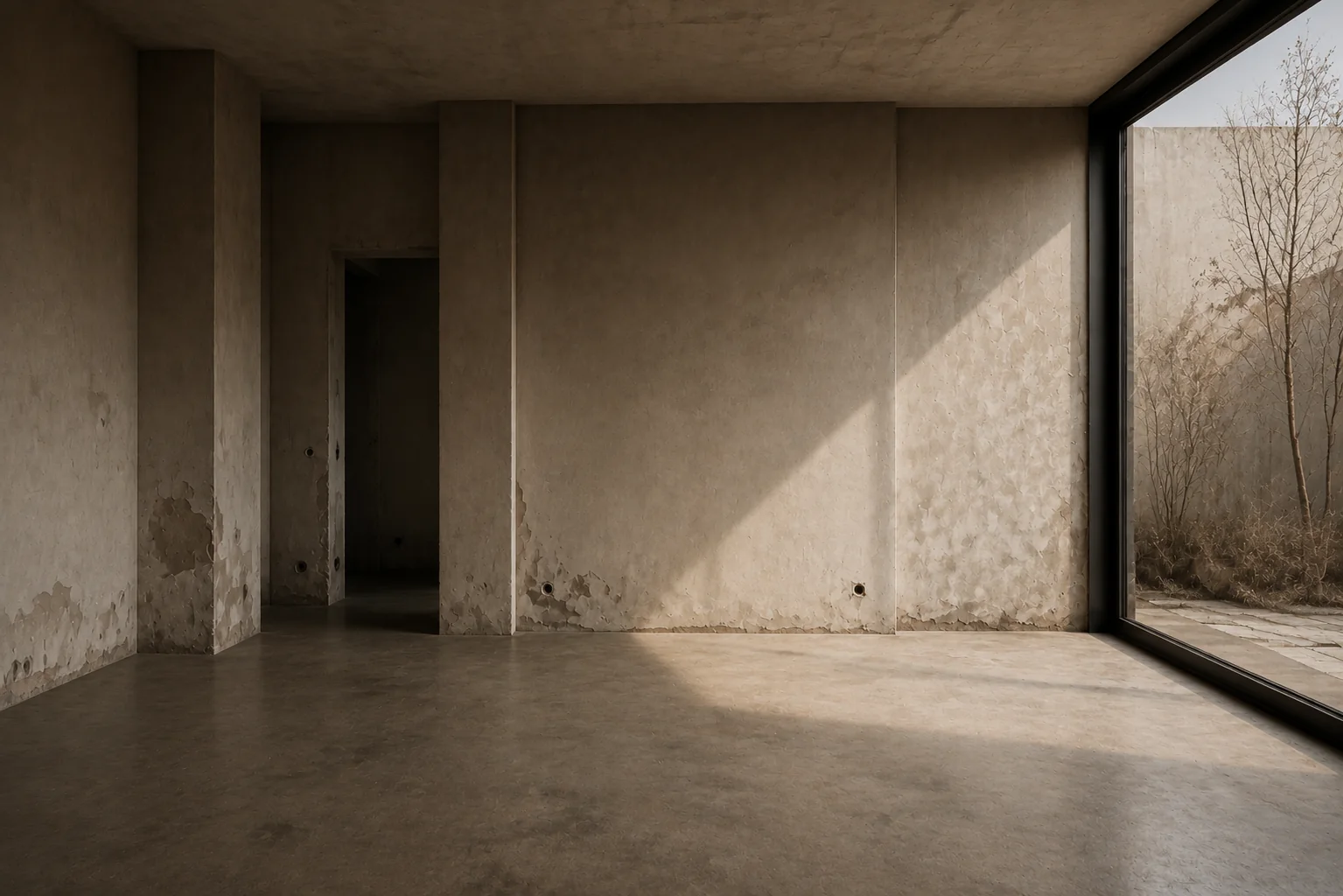
Every space has a story,
long before we intervene.
We start by listening to it.
02 / Read
We read space
before we shape it.

Material carries weight, texture and time.
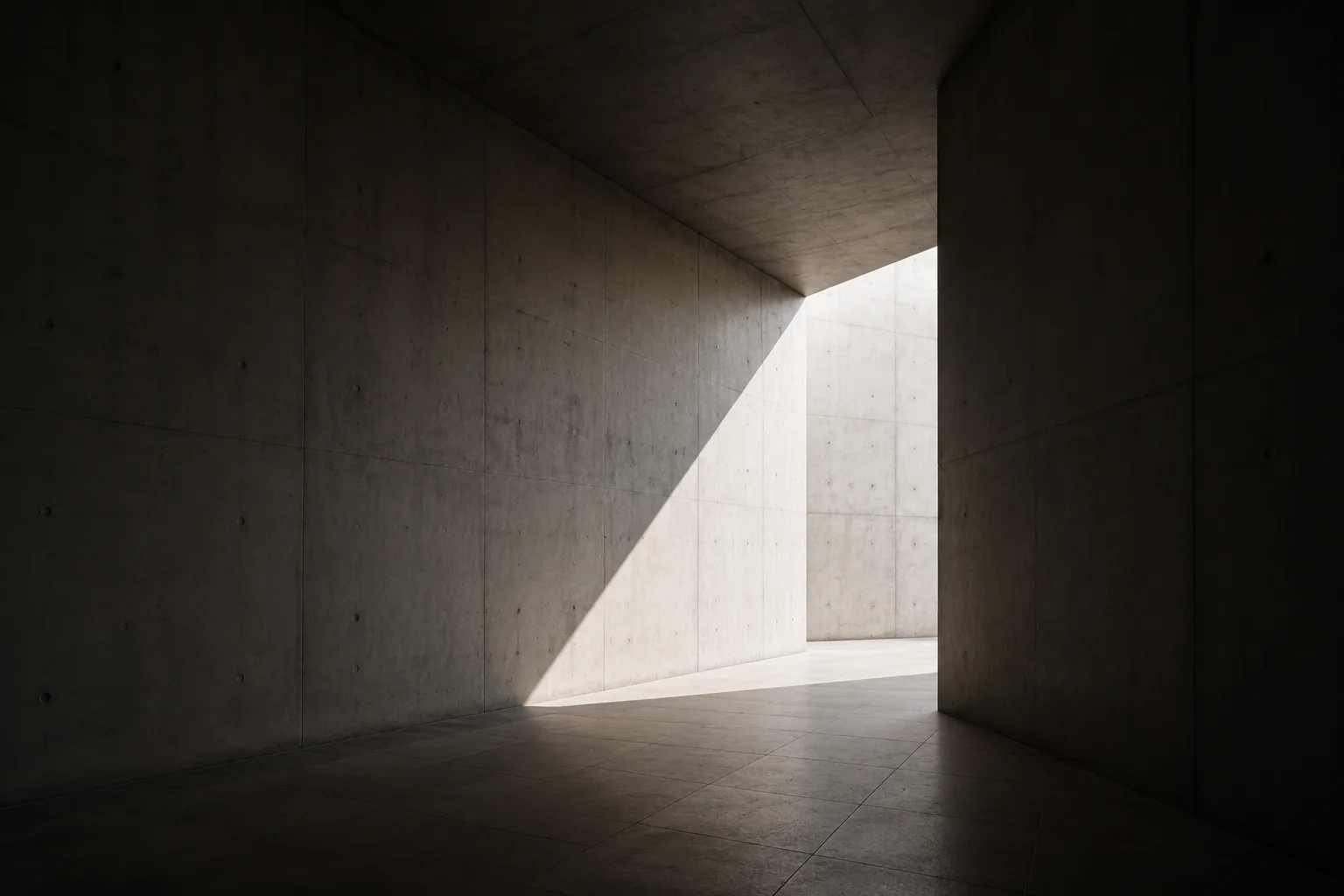
Light reveals depth, rhythm and atmosphere.
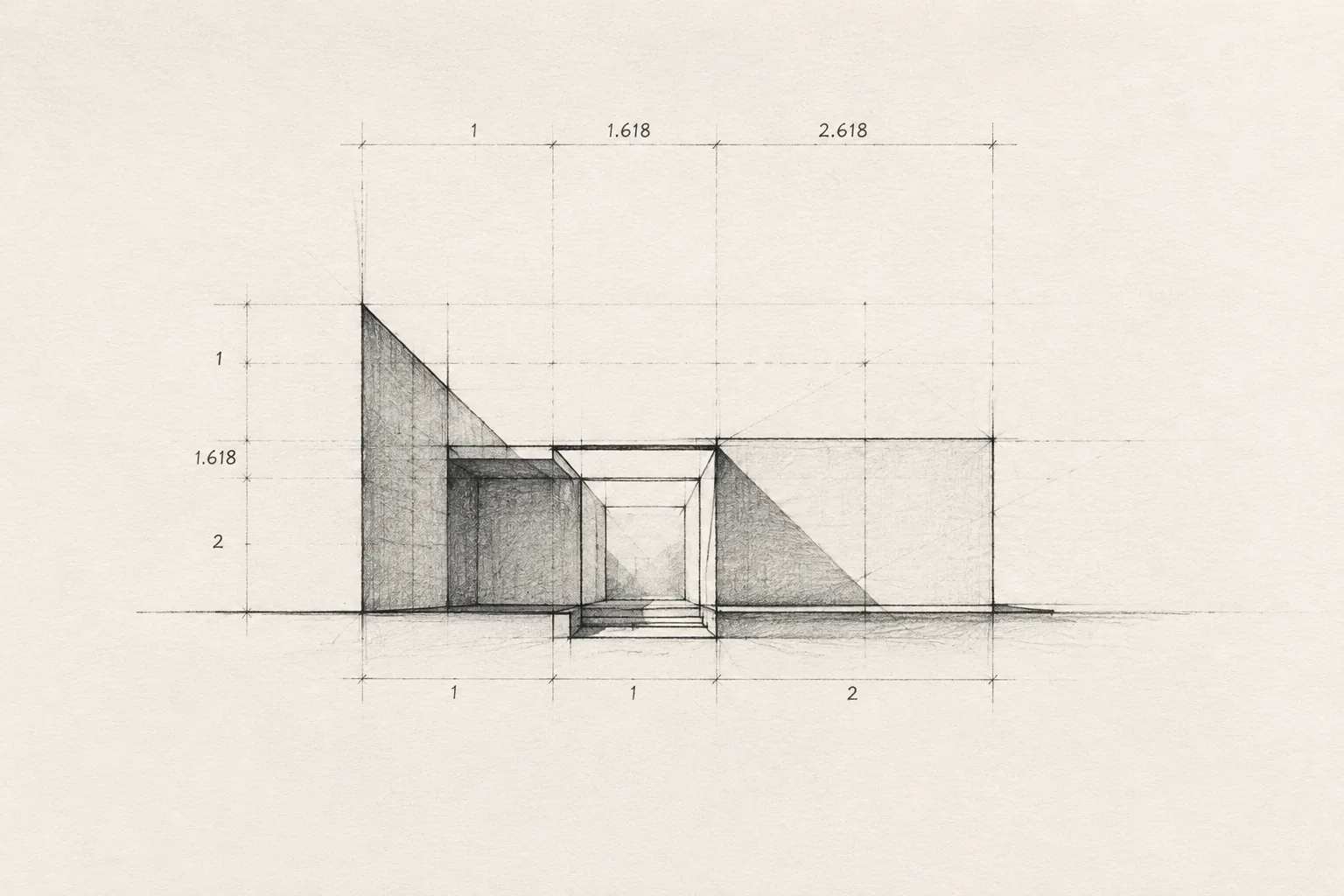
Measure gives relationships order.
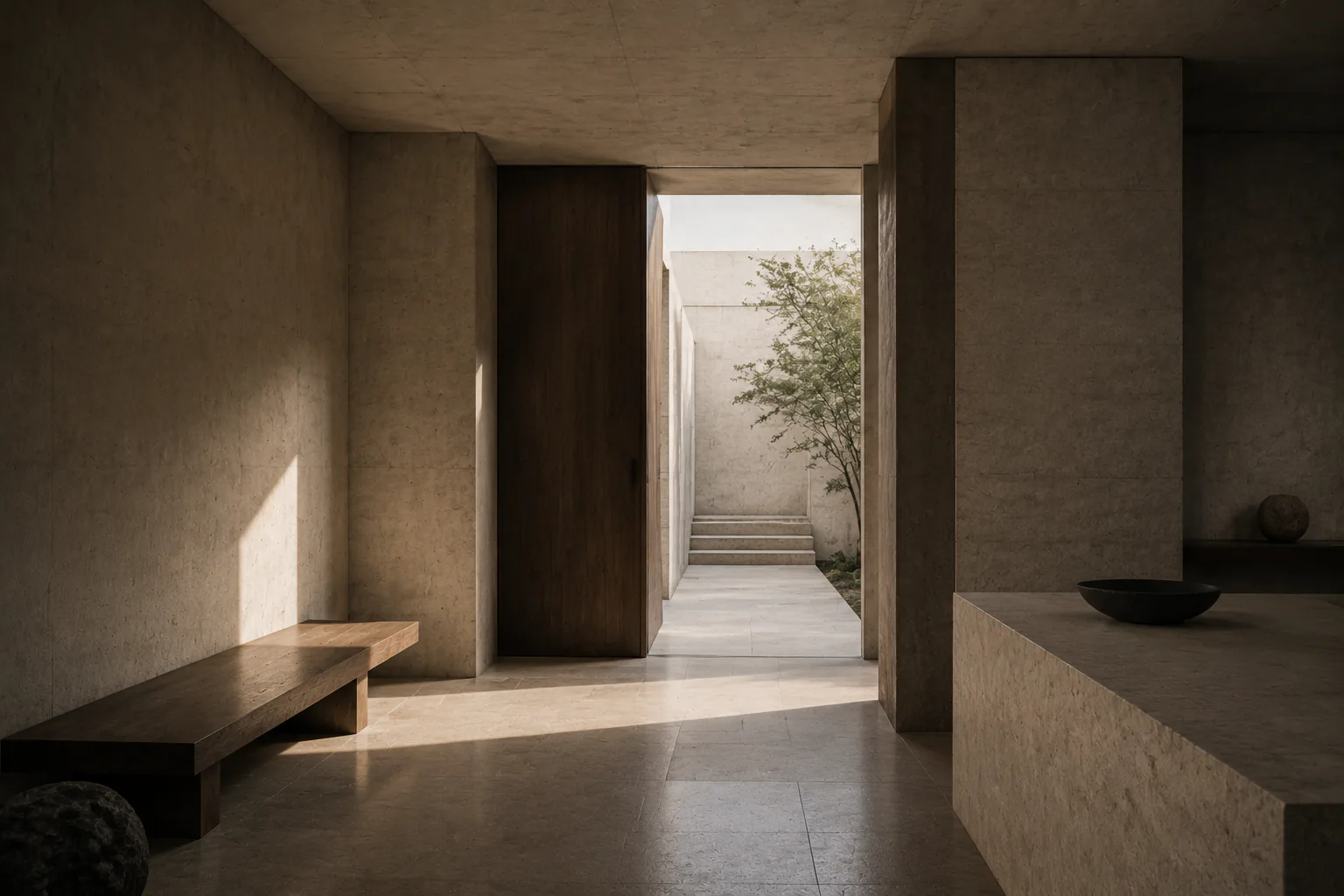
Space begins with how life moves through it.
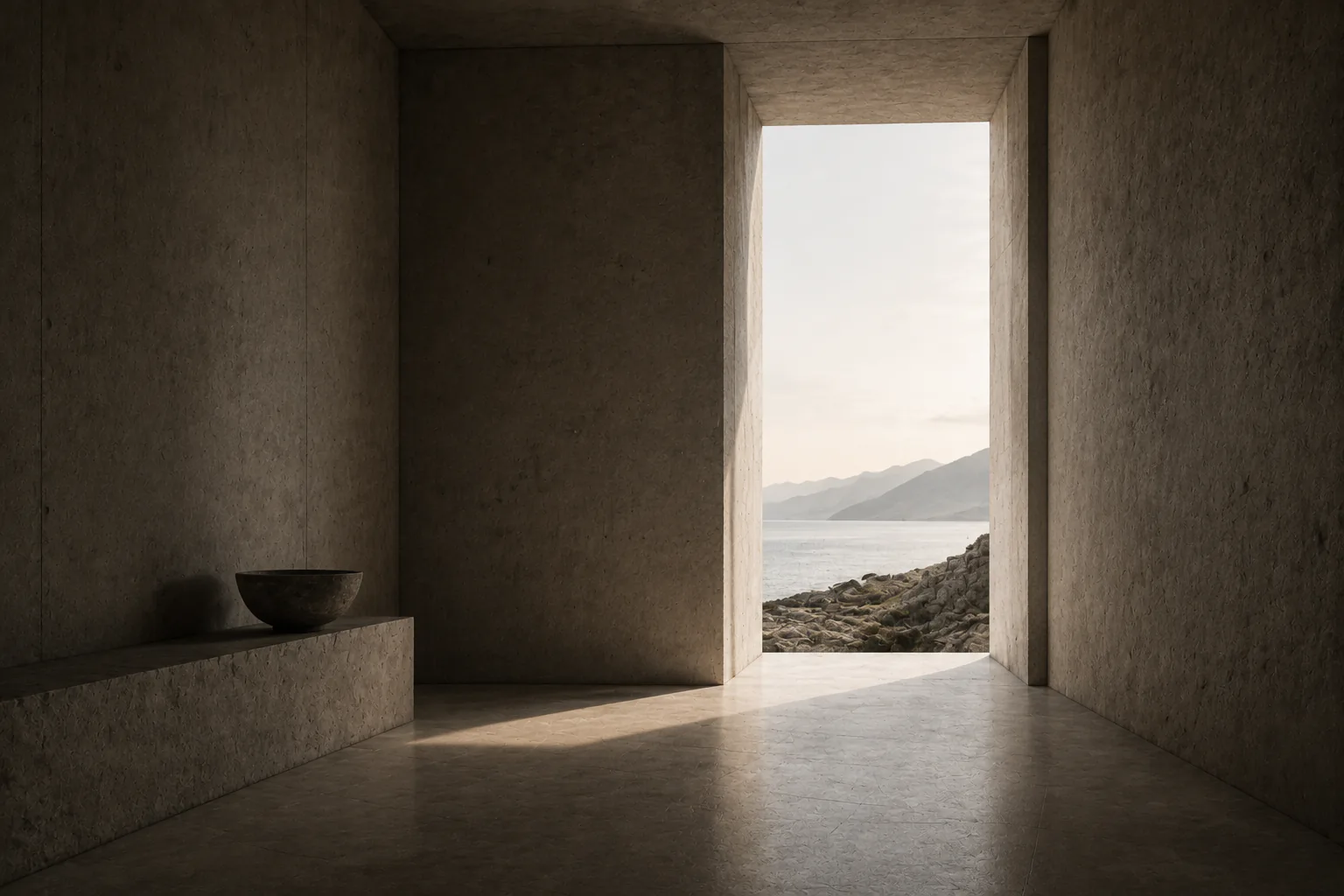
What exists leaves traces worth reading.
03 / Reduce
We remove what
is not essential.
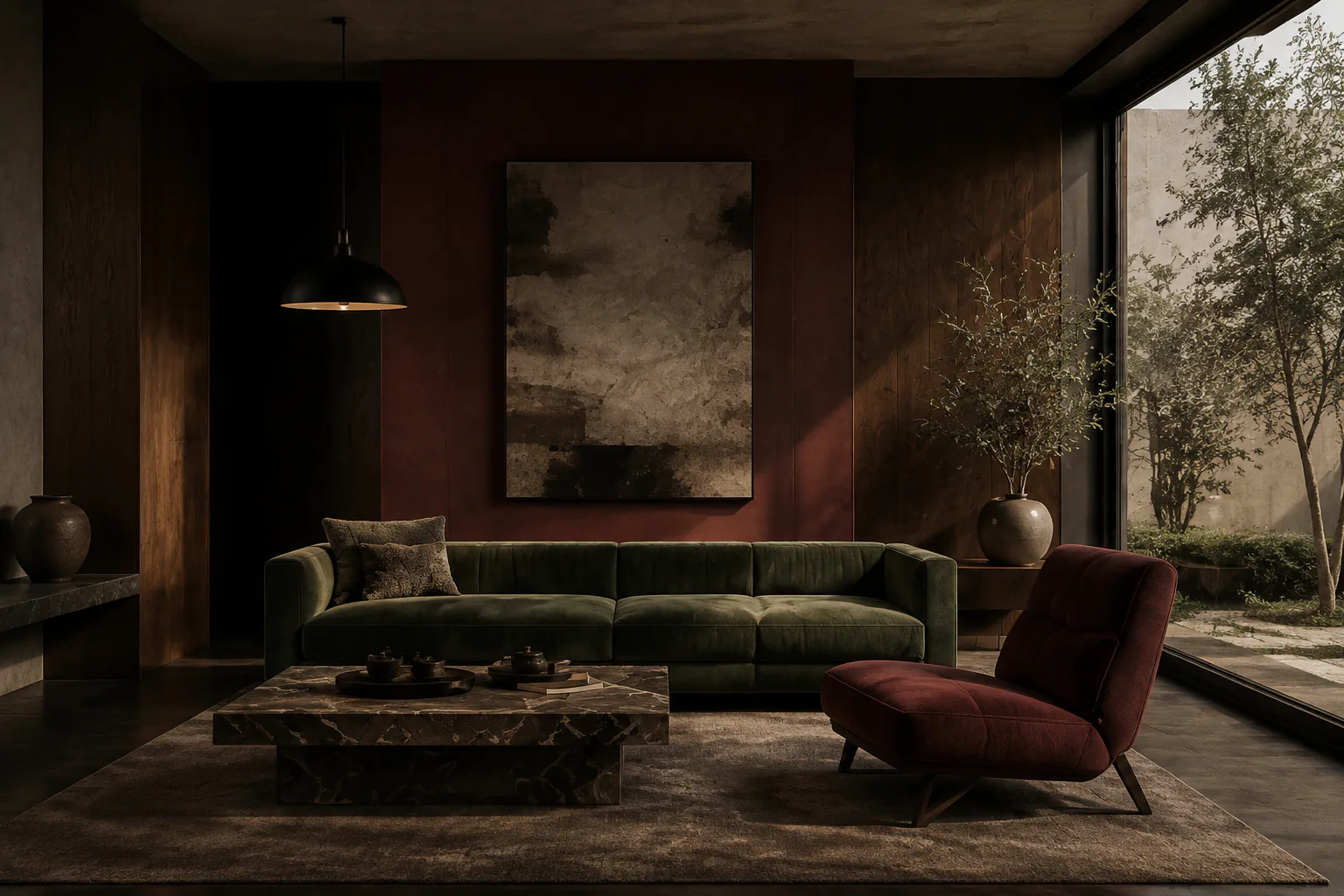
Reduction is not an aesthetic gesture. It is a way of making what matters visible.
04 / The Gesture
One clear gesture
can organise
the whole.
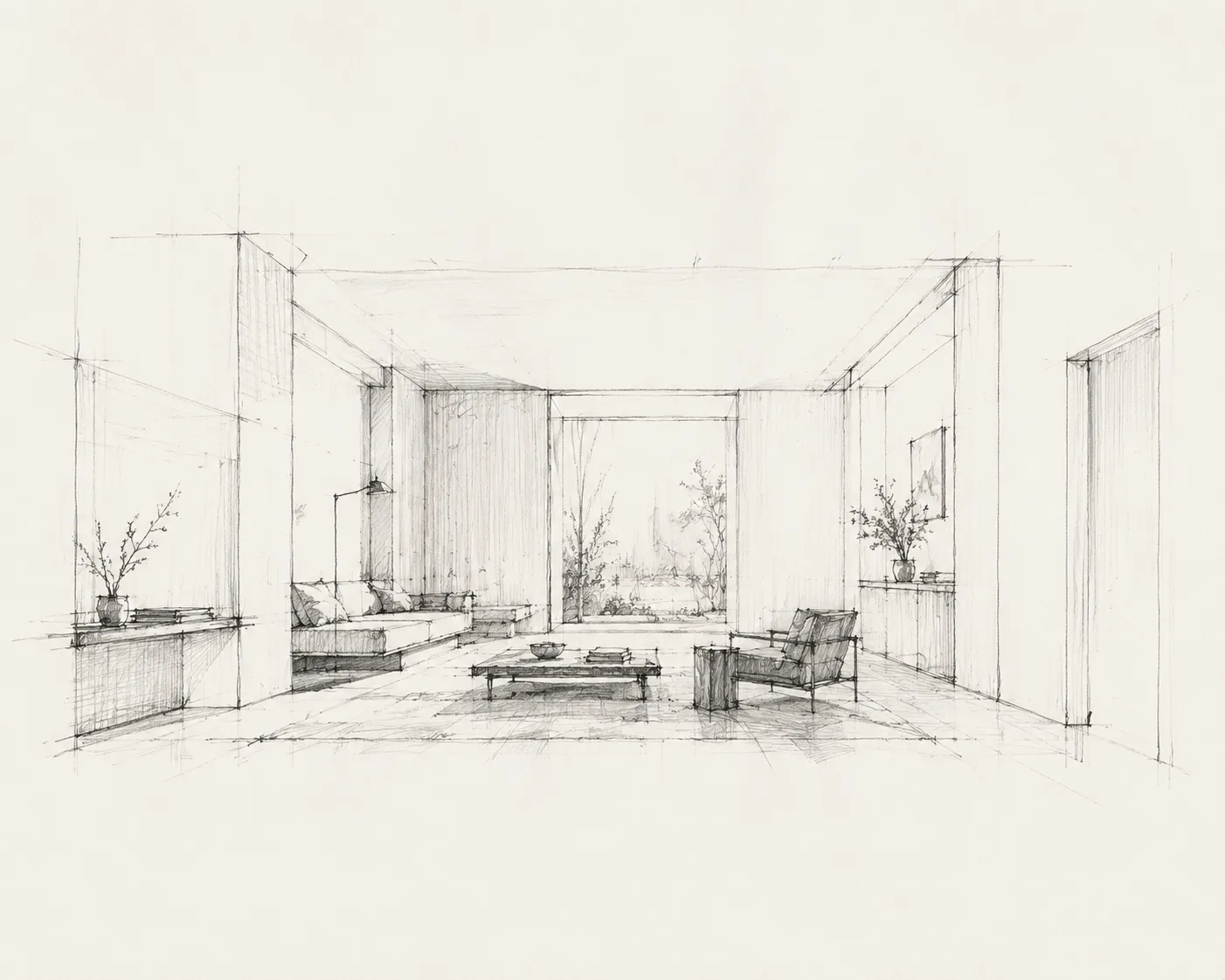
The right gesture can make everything else superfluous.
05 / Time
Architecture belongs
to its place —
and to time.
Permanent architecture works with time through duration.
Temporary architecture works with time through intensity.
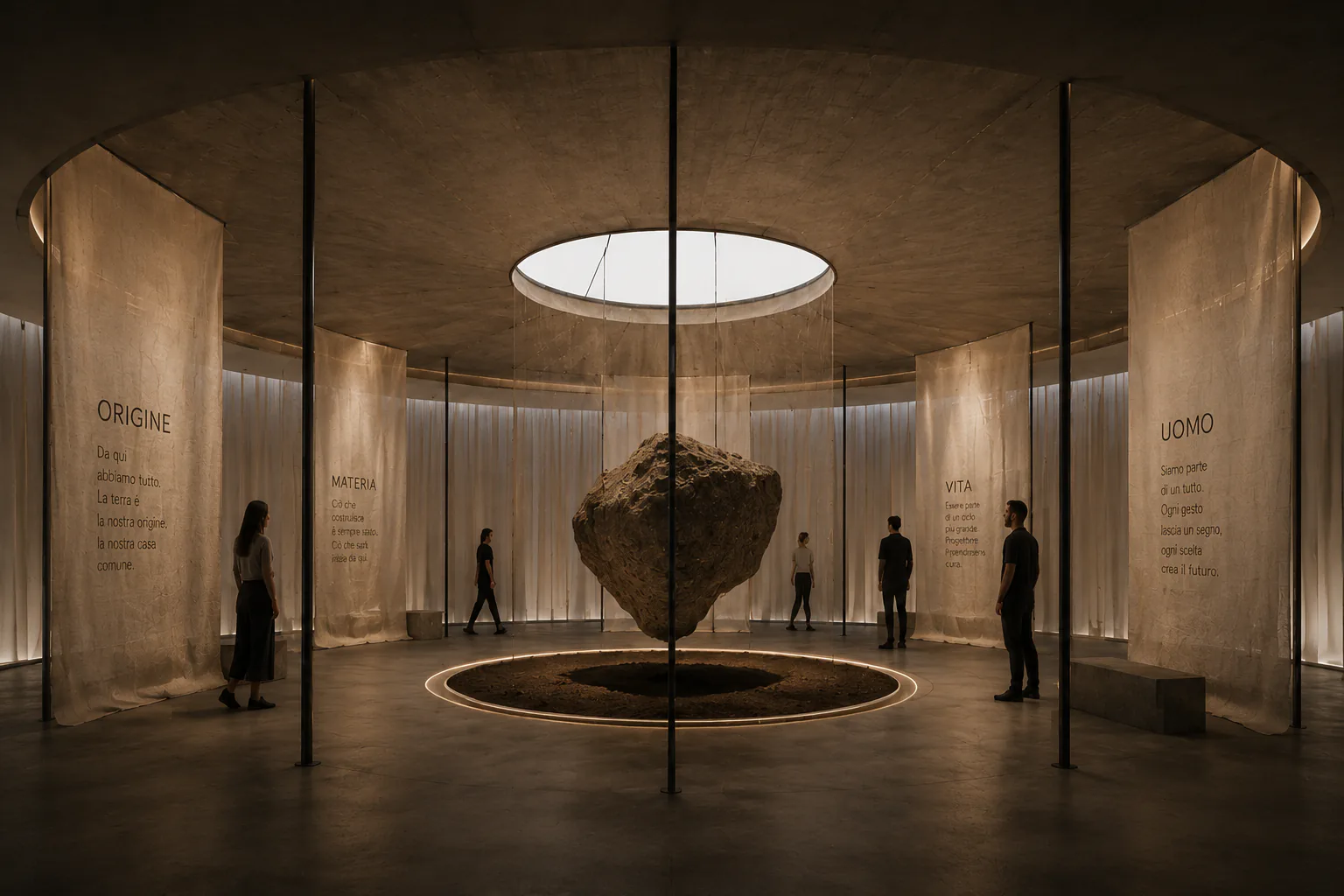
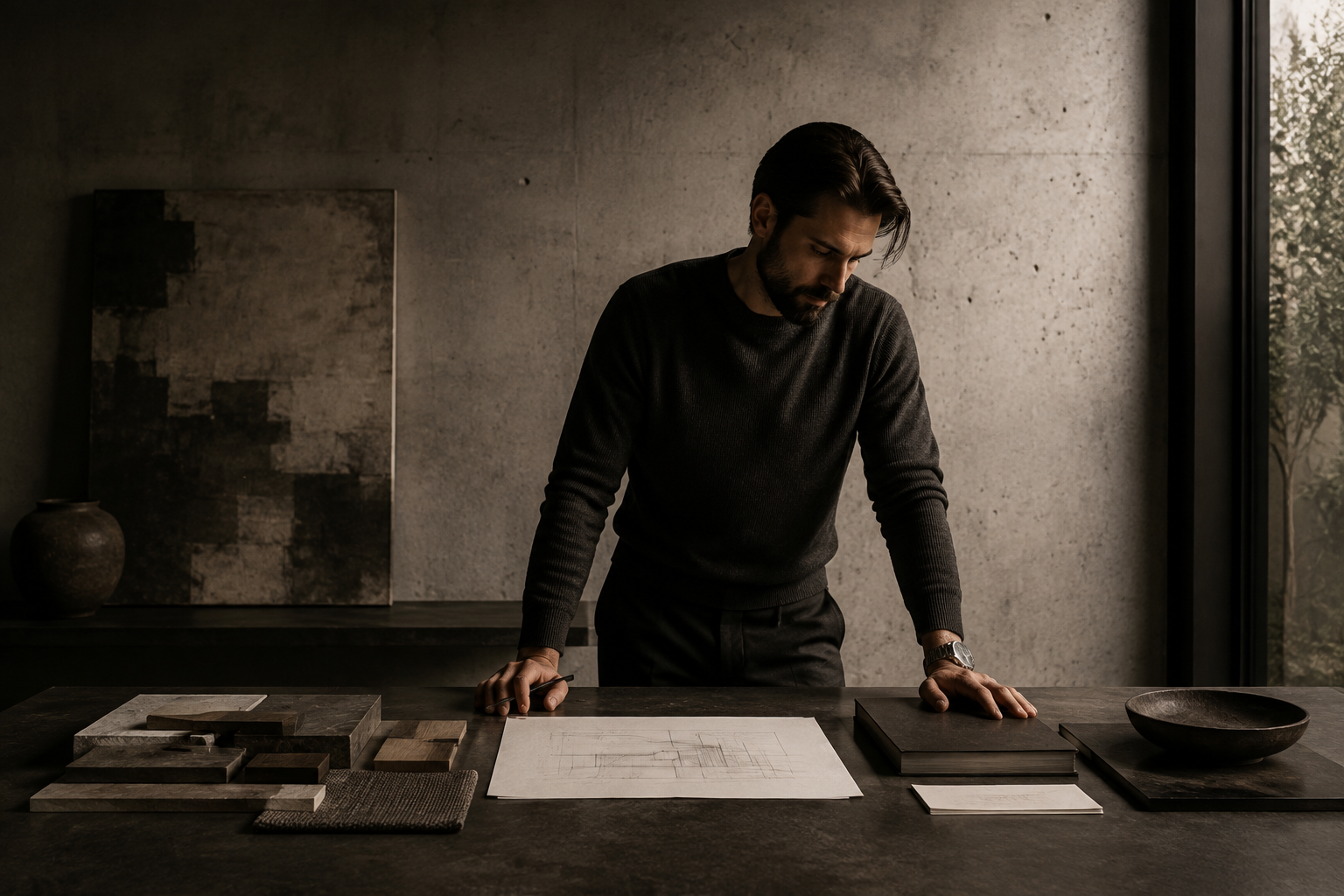
Founder
Antonello Balestrieri
Architect / Founder
Trained in Architecture and Interior Design at Sapienza University of Rome, Antonello Balestrieri has worked across residential, retail and temporary architecture since 2012. His experience across different scales has shaped an approach in which architecture begins with people rather than form.
For me, architecture begins with understanding the person who will inhabit it.
Before drawing, I try to understand how people live, what they desire, what they remember and how they want a space to make them feel. I absorb these elements until they become part of the project — translating them into proportion, matter, light and use.
Temporary architecture taught me the intensity of this process: how a strong idea can become space, and how space can create an immediate emotional experience.
MÆTER was founded to bring this way of thinking across scales — creating places that belong to those who inhabit them, and that remain meaningful over time.
Practice
MÆTER works across architecture, interiors and objects — from new-build and renovation studies to residential, retail and temporary spaces, and furniture-scale design.
To create places people still want to inhabit, long after they were designed.
Start the conversation